The Apps
Choose the tool that matches the way you shoot.
BlaX Macro is about close detail, in-camera character, and macro-specific control. BlaXpan is about wide framing, ratio, and deciding the final image before you press the shutter.

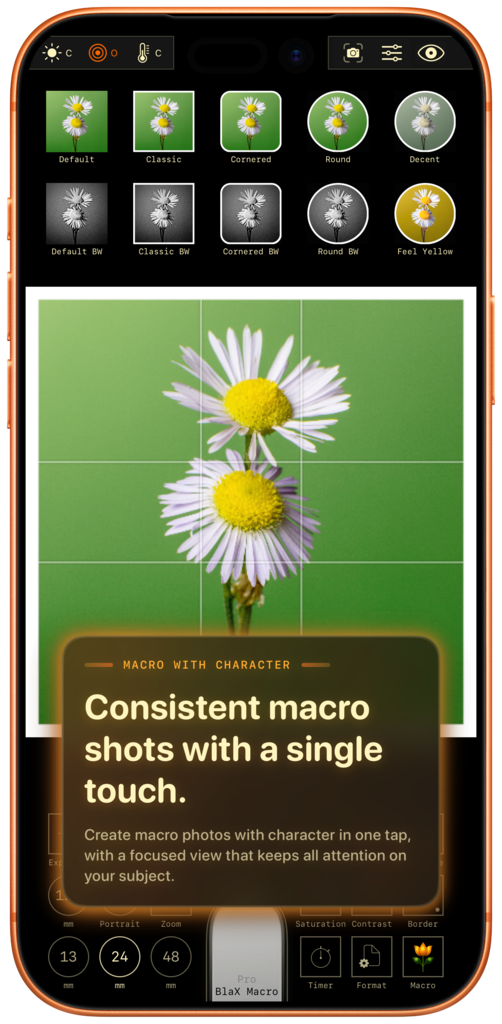
BlaX Macro
Macro photography, finished in camera.
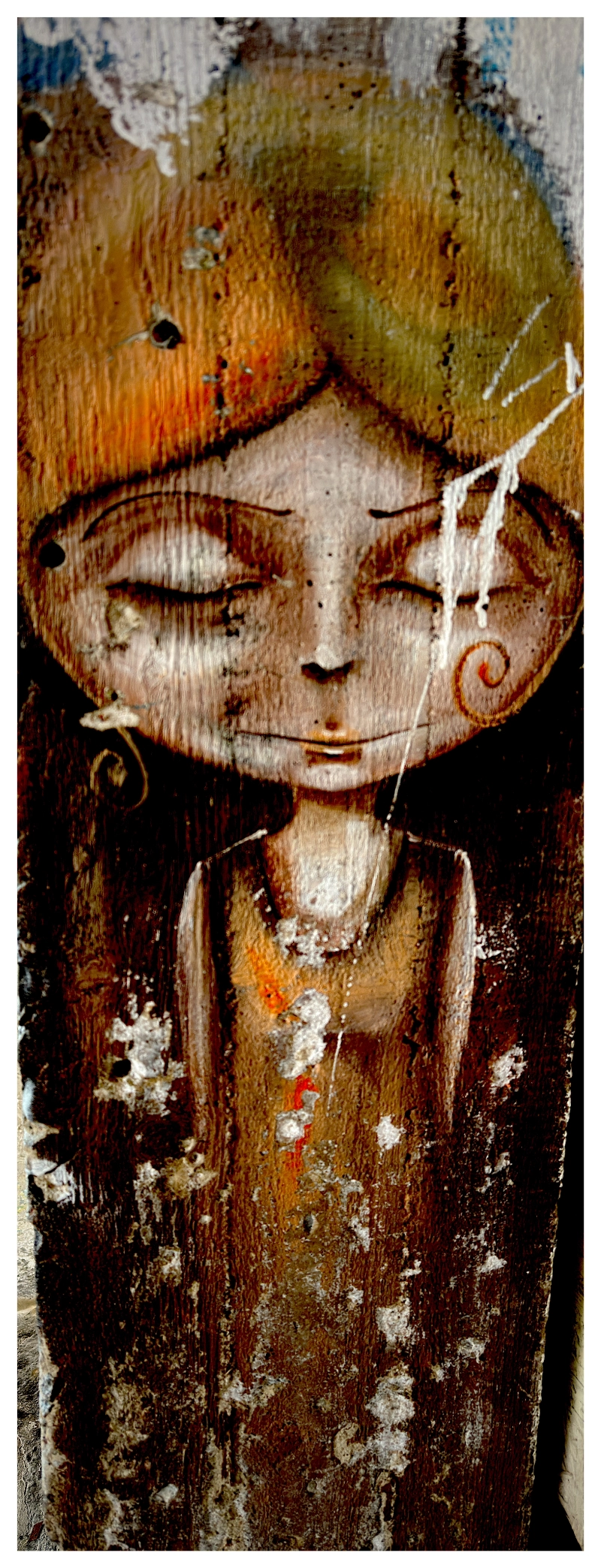
See the final look before the shot. BlaX Macro combines live preview, manual controls, preset sharing, and composition guides for a focused macro workflow.
- Built for internal and external macro lenses
- Live preview, composition guides, and manual control
- Preset sharing for repeatable looks
- One purchase. No subscription. No ads.
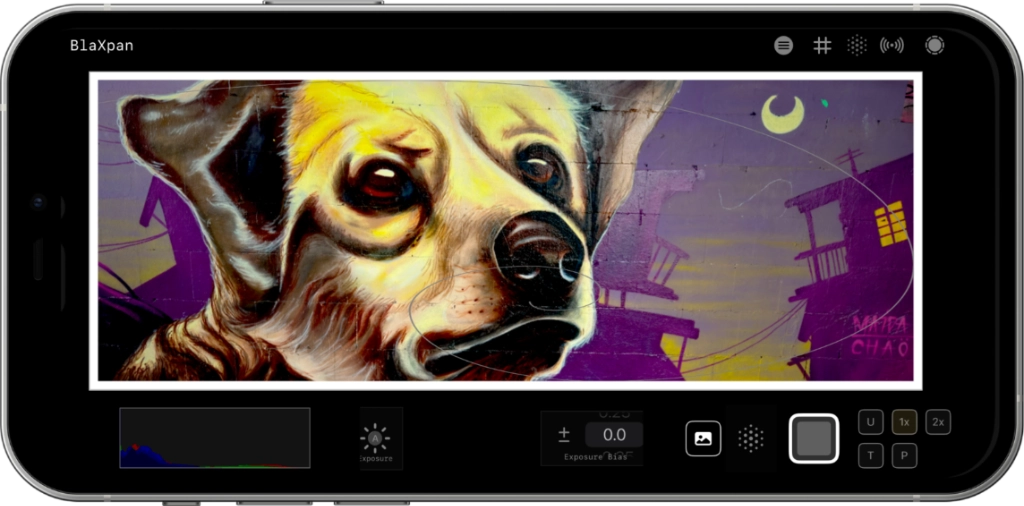
BlaXpan
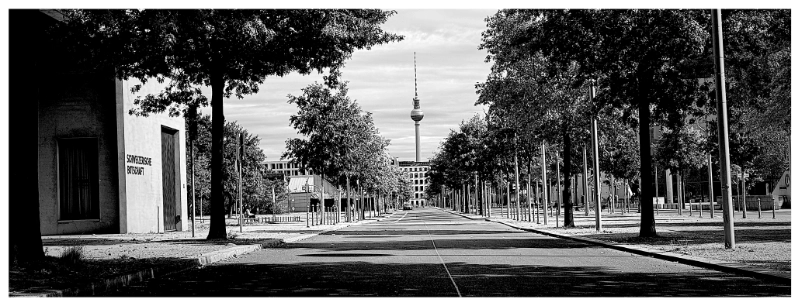
The classic 24 : 65, reinvented.
Frame extra wide or extra tall images before the shot. BlaXpan is built for deliberate panoramic composition, live looks, and a no-postprocessing workflow.
- Preview wide or tall framing before the shot
- Manual control, live looks, RAW, and ProRAW support
- Made for deliberate composition and classic panoramic ratios
- One purchase. No subscription. No ads.
Which One?
Different tools for different ways of seeing.
Both apps are built around intentional photography. The difference is whether you want to go closer or wider before the shot.
BlaX Macro
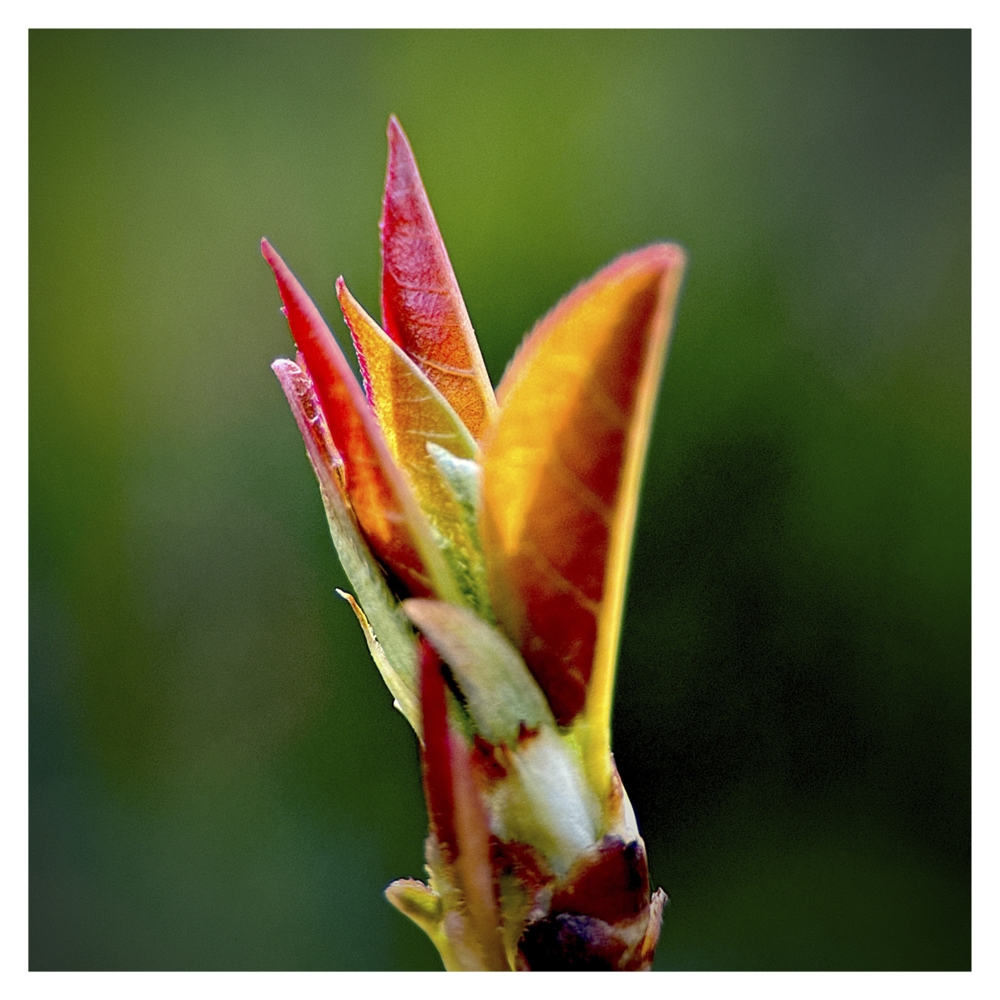
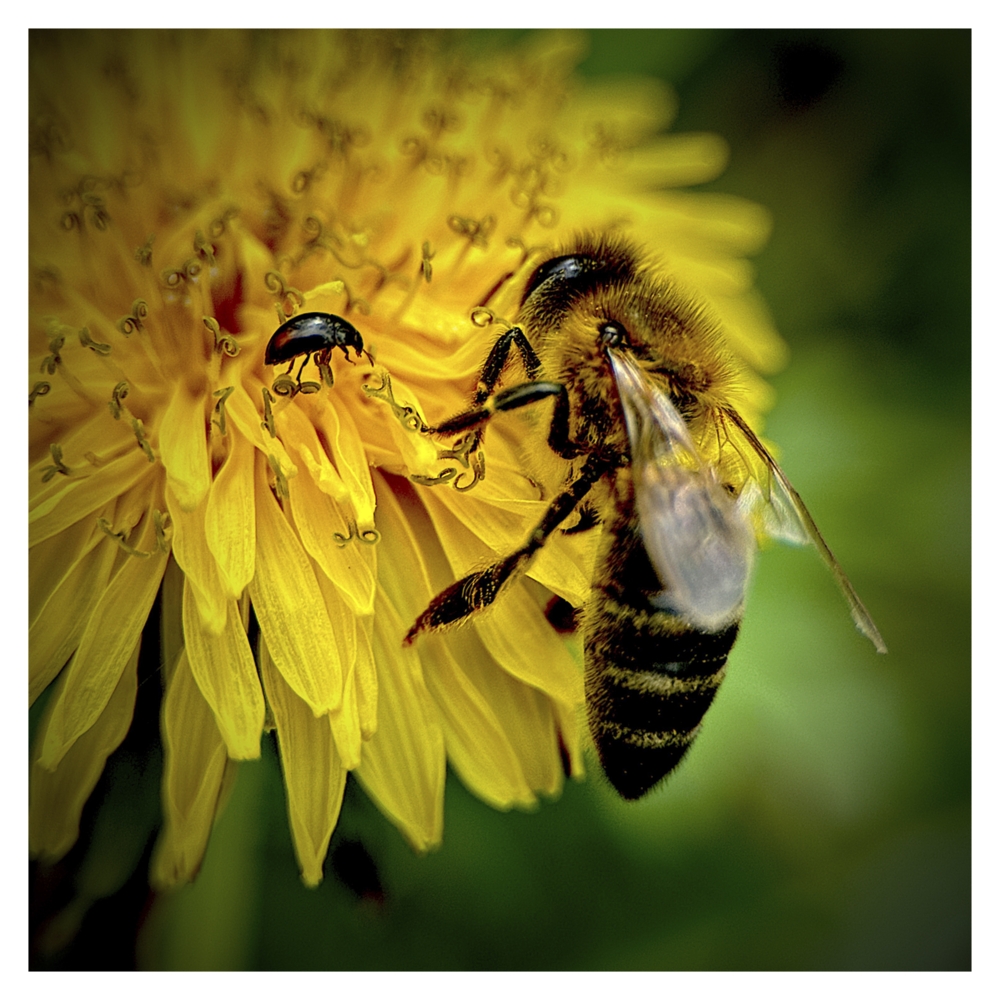
Choose it for insects, flowers, textures, small objects, and every subject where precise control and an in-camera macro look matter.
BlaXpan
Choose it for city lines, architecture, landscapes, tall scenes, and the classic 24 : 65 composition when framing is the real creative decision.